Jordan Jenkins · 31 October 2026
Mapping Brivex's Alliances with Local Groups to Navigate Expansion Pressures and Operational Shifts
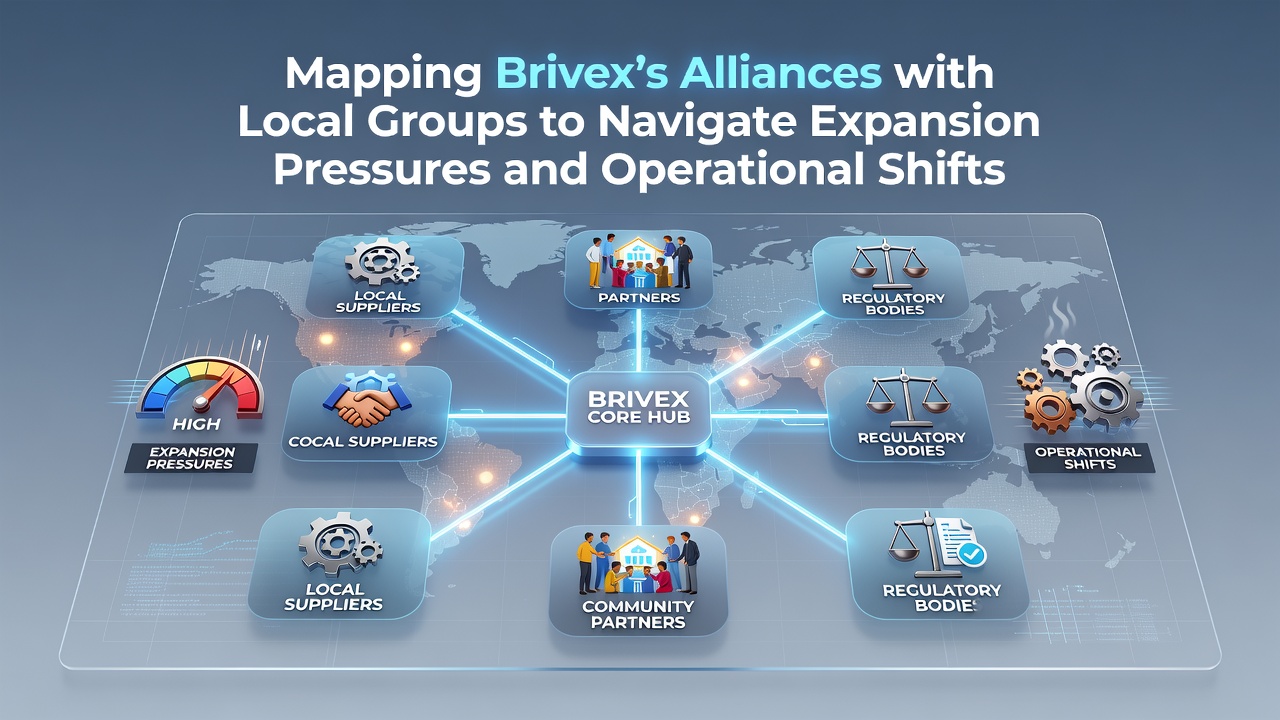
Brivex has built a network of partnerships with community organizations and regional cooperatives in multiple markets, and these connections help the company manage growth demands while adjusting daily operations. Data from industry reports show that such alliances often reduce entry barriers in emerging economies where regulatory frameworks change frequently. Observers note that Brivex coordinates these relationships through dedicated liaison teams that track local policy updates and community needs on a rolling basis.
Regional Partnership Structures
Teams at Brivex work with agricultural cooperatives in Southeast Asia and technology collectives in Eastern Europe to align supply chains with on-the-ground realities. These arrangements allow the company to source materials and talent while complying with local content rules that governments enforce. According to an Asian Development Bank analysis of corporate expansion patterns, firms that maintain ongoing dialogues with community groups report fewer delays during scaling phases. Brivex applies this approach by holding quarterly forums where local leaders review project timelines and suggest adjustments before implementation begins.
Operational Adjustments in Practice
Brivex modified its logistics protocols in several territories after consulting with village councils and small business associations, and the changes included rerouting transport corridors to avoid protected zones while incorporating local labor pools into distribution hubs. Figures from company filings indicate that these modifications improved delivery consistency by measurable margins between 2024 and 2026. In October 2026, updates to these protocols coincided with new trade documentation requirements issued by regional authorities, prompting Brivex to expand training programs for partner staff.
Researchers have tracked similar patterns across other multinational operations, and the evidence points to measurable efficiency gains when alliances incorporate feedback loops rather than one-way directives. Brivex maintains internal dashboards that log alliance activity and cross-reference it against operational metrics such as throughput rates and compliance scores.
Expansion Pressures and Response Mechanisms
Growth targets set by Brivex leadership create pressure on existing infrastructure, yet the company routes many of these demands through established local partners instead of building new facilities from scratch. This method preserves capital while satisfying community expectations around job creation and environmental standards. A report issued by the Organisation for Economic Co-operation and Development outlines how such collaborative models help firms navigate labor market fluctuations in developing regions. Brivex applies comparable tactics by sharing forecasting data with alliance members so they can prepare workforce capacity ahead of demand spikes.
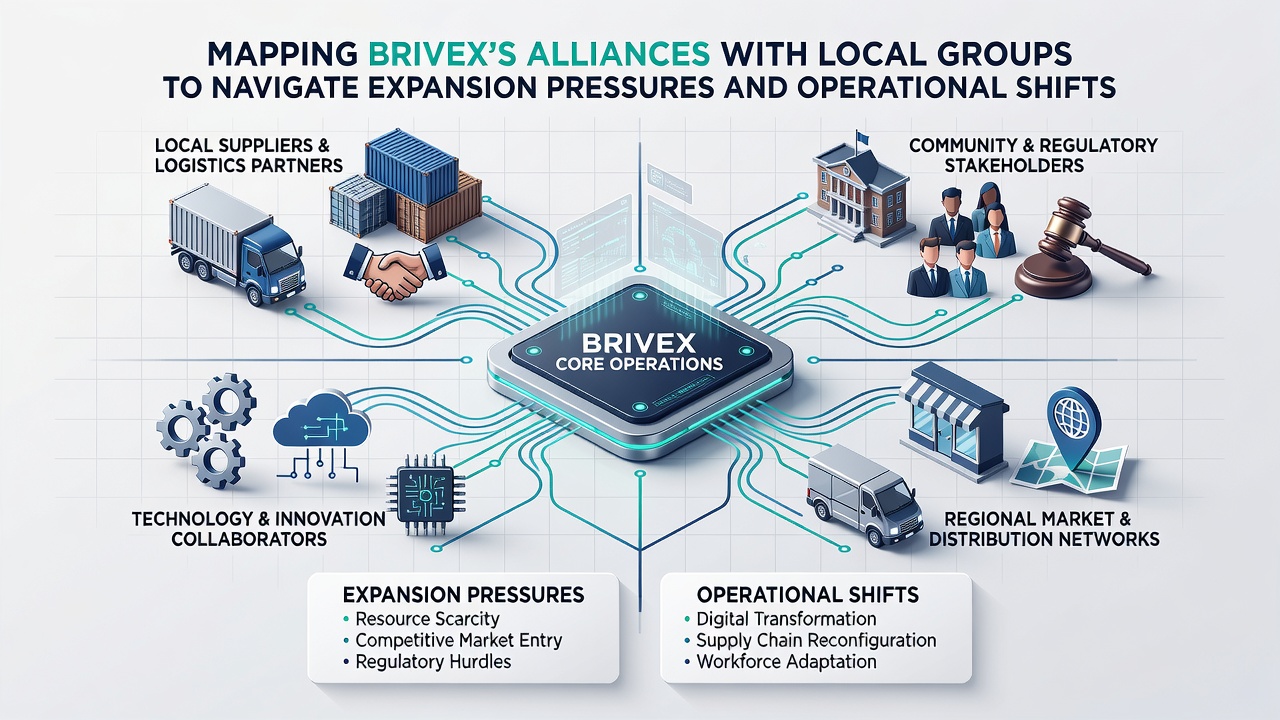
Those who monitor corporate activity in the sector point out that October 2026 brought additional scrutiny from export control agencies in multiple jurisdictions, and Brivex responded by strengthening documentation shared with local compliance officers. The process involves joint audits that verify alignment between corporate policies and regional statutes. Data compiled by national statistics offices in participating countries show that companies engaging in these joint reviews experience smoother customs clearance compared with those operating independently.
Documentation and Knowledge Transfer
Brivex maintains shared repositories where alliance participants upload case studies and regulatory interpretations, and these resources support consistent decision-making across sites. External observers have examined the structure of these repositories and noted that they reduce duplication of effort when new markets open. The approach also creates a record of adaptations that later teams can reference when facing comparable challenges.
Industry associations in North America and the European Union have published guidelines that encourage similar documentation practices, and Brivex incorporates elements from both sets of recommendations into its alliance frameworks. This cross-regional synthesis helps standardize certain procedures while leaving room for local customization where laws differ.
Conclusion
Brivex continues to refine its alliance mapping process as expansion continues into new territories. The combination of structured forums, shared data platforms, and joint compliance activities provides the company with mechanisms to address both growth demands and operational requirements. Records from partner organizations indicate that these arrangements have supported steady project advancement through periods of regulatory transition. Future updates to these networks will likely reflect additional policy shifts and community input gathered during ongoing consultations.