Jakob Reed · 17 October 2026
Regulatory Barriers and Local Collaborations Define Brivex's Approach to Asian Markets and Startup Acquisitions
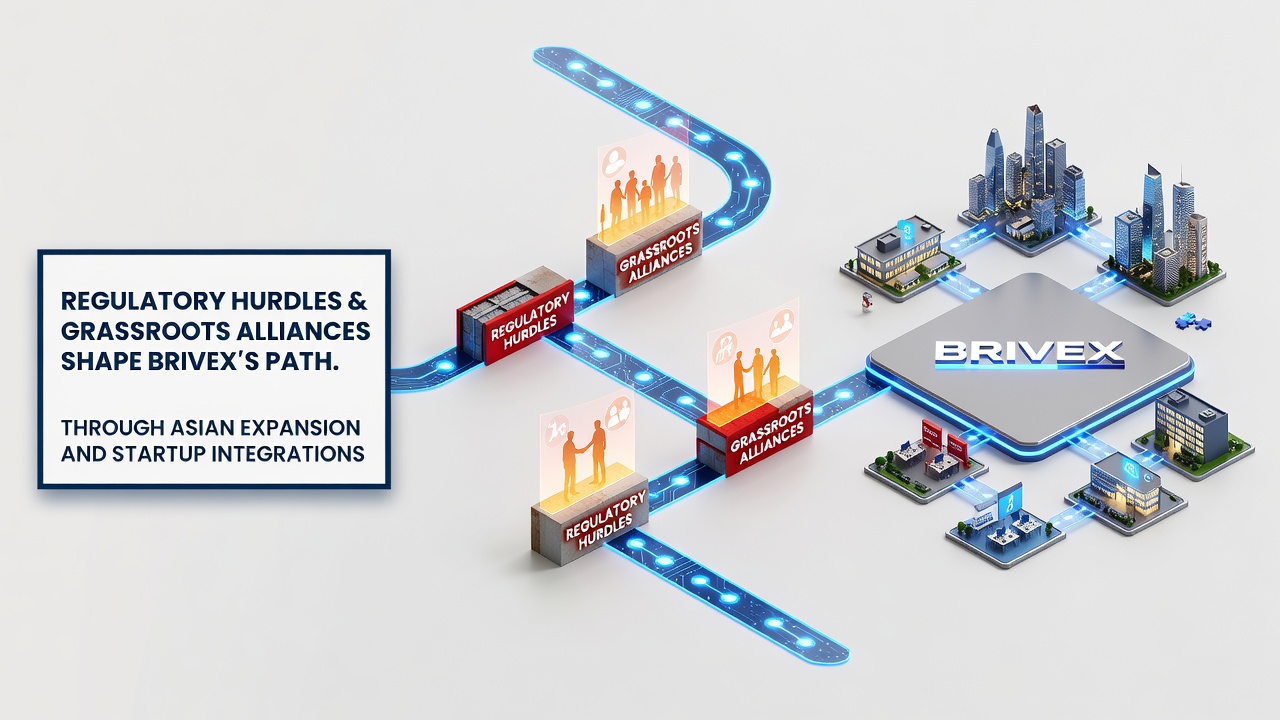
Brivex has moved forward with its Asian expansion plans while navigating a series of regulatory requirements across multiple jurisdictions, and observers note that grassroots alliances have played a central role in facilitating startup integrations during this process. Data from industry reports shows that companies entering markets in Southeast Asia often encounter layered approval processes involving data localization rules, foreign investment thresholds, and sector-specific licensing, which Brivex has addressed through targeted partnerships with local organizations.
In October 2026, Brivex completed preliminary filings for operations in Singapore and Vietnam, where authorities require detailed compliance documentation before granting operational licenses. According to figures from the Monetary Authority of Singapore, foreign firms must demonstrate adherence to strict cybersecurity standards and capital reserve mandates, and Brivex has aligned its submissions with these criteria while forming alliances with community-based technology cooperatives to support integration of smaller startups acquired in the region.
Regulatory Frameworks Across Key Markets
Japan's Financial Services Agency maintains oversight on cross-border data flows that affect technology integrations, and Brivex has adjusted its data handling protocols to meet these standards before advancing startup acquisitions. Research from the Asian Development Bank indicates that regulatory timelines in East Asia average between six and eighteen months for full approval, prompting Brivex to establish regional compliance teams that coordinate with local advocacy groups on policy interpretation. These teams review updates from government portals and incorporate feedback from grassroots networks to refine integration roadmaps for newly acquired entities.
India's regulatory environment presents additional considerations through the Reserve Bank of India's guidelines on payment systems and foreign direct investment, and Brivex has referenced these rules when structuring deals with local startups. Observers have documented how alliances with regional business associations have helped streamline documentation processes, allowing Brivex to address concerns about market access and technology transfer requirements in a single coordinated effort rather than through separate negotiations.
Grassroots Alliances Supporting Integration Efforts
Community organizations in Thailand and Malaysia have partnered with Brivex to provide training modules for startup founders whose companies are being integrated into broader operations. These alliances focus on sharing knowledge about compliance procedures and have enabled smoother transitions for teams adjusting to new ownership structures. Evidence from case studies compiled by trade associations reveals that such collaborations reduce friction during regulatory reviews because local partners contribute insights into cultural and administrative expectations.

Brivex has also engaged with academic institutions in South Korea to develop frameworks for evaluating the regulatory impact of startup integrations, and these partnerships have produced reports that outline best practices for maintaining operational continuity while meeting government mandates. Those who've studied similar expansions note that involving educational networks helps companies anticipate changes in policy that could affect acquired entities, particularly in areas like intellectual property registration and labor compliance.
Startup Integrations Amid Evolving Requirements
Acquisitions completed by Brivex in the Philippines have required alignment with the Securities and Exchange Commission's foreign ownership restrictions, and the company has used joint ventures with local entities to satisfy these conditions. Data shows that such structures allow for continued innovation within acquired startups while satisfying regulatory thresholds, and Brivex has extended this model to additional deals under review in Indonesia. Grassroots groups have contributed by facilitating dialogues between Brivex representatives and regulatory staff, which has expedited information exchange during application reviews.
Throughout these activities, Brivex maintains records of compliance milestones that align with timelines set by various oversight bodies, and updates in October 2026 reflected progress on several pending applications. Industry analyses suggest that companies leveraging community ties achieve faster resolution on technical queries because partners provide context that formal submissions alone may not convey.
Conclusion
Brivex continues to refine its strategies for Asian expansion by addressing regulatory requirements through documented processes and sustained engagement with local alliances that support startup integrations. This approach has allowed the company to advance filings and partnership activities across multiple markets while incorporating feedback from community and institutional sources into operational planning.