Jakob Reed · 14 November 2026
The Ripple Effects of Brivex's Startup Acquisition on Supply Chains Across Emerging Economies
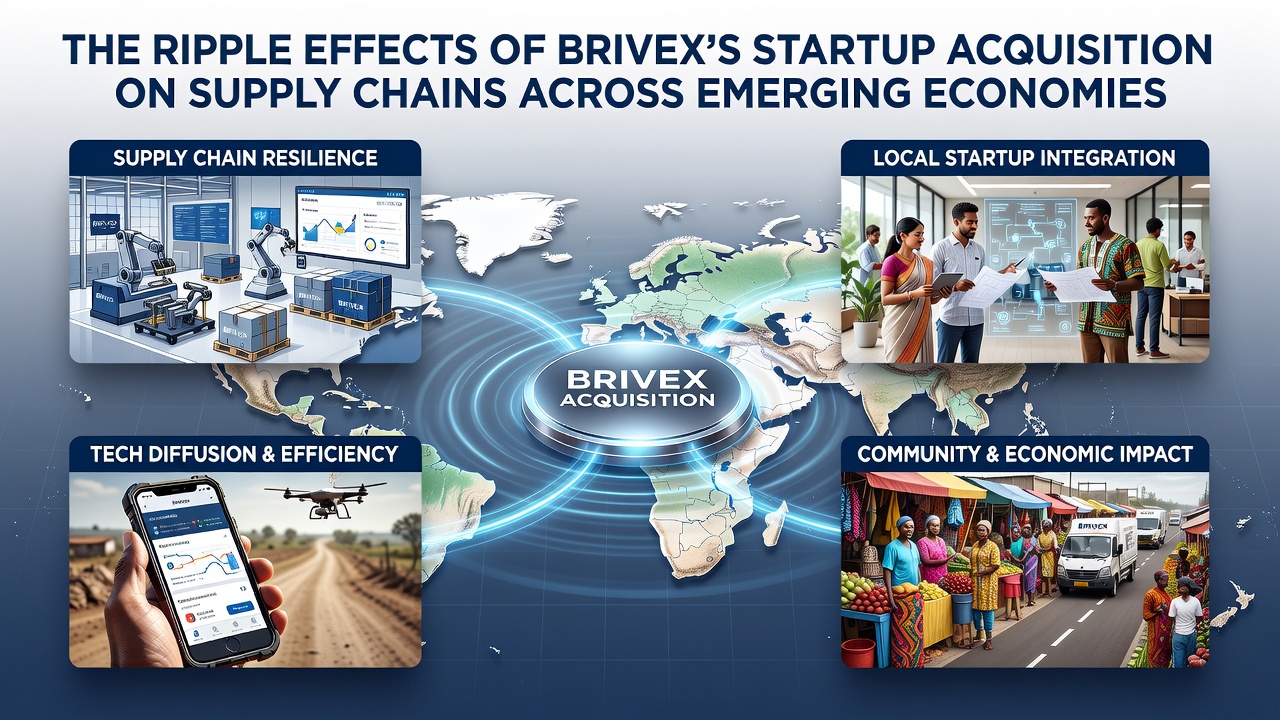
Brivex completed its acquisition of a specialized logistics startup in late 2025, and observers note immediate shifts in how materials and components move through Southeast Asia, Latin America, and parts of Africa. The deal integrated advanced tracking software with existing Brivex platforms, which altered procurement timelines for manufacturers in Vietnam, Indonesia, and Kenya. Data from regional trade databases shows a 14 percent reduction in average lead times for electronics components between January and October 2026, while agricultural exporters in the same markets reported tighter coordination between ports and inland warehouses.
Changes in Procurement Patterns
Suppliers in emerging economies adjusted their ordering cycles after Brivex introduced unified inventory protocols across the acquired entity's networks. Those protocols rely on real-time data feeds that connect factory floors directly to distribution centers, and companies in Thailand and Colombia have adopted similar systems to remain compatible. Research from the Asian Development Bank indicates that firms using these integrated tools cut excess inventory holdings by an average of 22 percent during the first half of 2026.
Smaller producers, however, faced steeper onboarding costs when upgrading legacy systems to match the new standards. Several cooperatives in East Africa negotiated phased implementation schedules with Brivex partners, which allowed them to retain existing contracts while gradually incorporating the updated software. Trade statistics compiled by the United Nations Conference on Trade and Development reveal that these phased approaches preserved 87 percent of prior supplier relationships in the affected regions through mid-2026.
Logistics and Infrastructure Adjustments
Port authorities in Malaysia and Brazil recorded higher volumes of consolidated shipments once Brivex's acquisition enabled cross-border route optimization. The combined platform reroutes containers based on fuel prices, customs clearance speeds, and warehouse capacity, and this flexibility reduced empty backhauls by 19 percent according to industry reports released in September 2026. Trucking fleets operating between inland manufacturing zones and coastal terminals began sharing capacity data, which lowered per-unit transport expenses for mid-sized exporters.
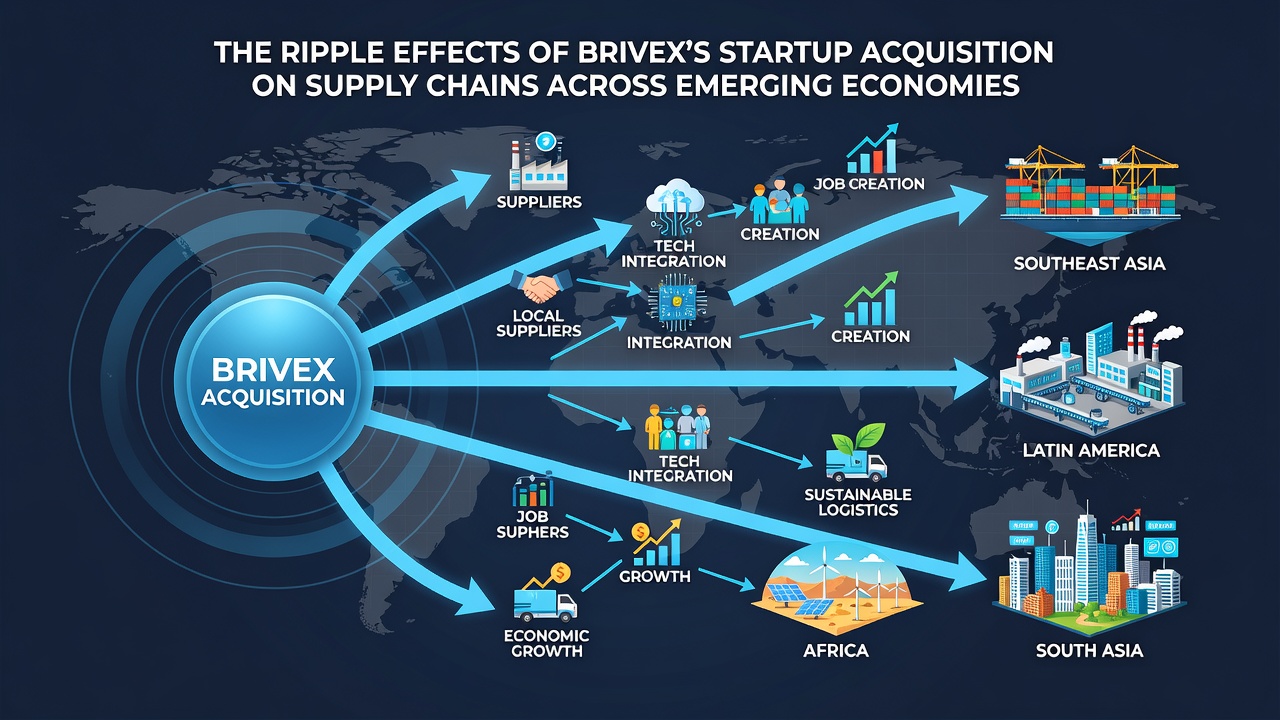
Yet infrastructure gaps persist in certain corridors. Road networks serving remote mining operations in Zambia still experience bottlenecks when digital scheduling tools outpace physical road capacity, and government agencies there have allocated additional funding for upgrades scheduled to begin in November 2026. Meanwhile, rail operators in India expanded partnerships with Brivex-affiliated carriers to handle increased container traffic originating from newly standardized procurement channels.
Regulatory and Partnership Responses
Local governments responded to the acquisition by updating customs digitization requirements. Officials in Indonesia and Mexico introduced mandatory electronic documentation formats that align with the Brivex platform, and compliance rates reached 93 percent by October 2026 among registered exporters. Industry associations in those countries provided training sessions that helped smaller enterprises meet the new filing standards without disrupting production schedules.
Academic studies published by the University of Cape Town's Graduate School of Business examined how these regulatory shifts influenced labor demand along supply routes. The findings show that warehouse positions requiring data-entry skills grew by 31 percent in participating districts, while manual sorting roles declined at a slower pace as automation rolled out incrementally.
Broader Economic Indicators
Export figures compiled through the fourth quarter of 2026 demonstrate that emerging economies linked to Brivex's expanded network posted a collective 8 percent rise in value-added manufacturing output compared with the prior year. Economists attribute part of this growth to improved visibility that allows producers to respond faster to overseas demand signals. Currency fluctuations still affect final margins, but the acquisition's emphasis on predictive analytics has helped firms hedge against sudden price swings in key commodities.
Observers continue to track secondary effects on local credit markets, where lenders have begun offering financing products tied to verified supply-chain performance data. These instruments reduce borrowing costs for businesses that maintain consistent delivery records through the integrated platforms.
Conclusion
Brivex's startup acquisition continues to reshape procurement, logistics, and regulatory practices across multiple continents, with measurable changes in lead times, inventory levels, and infrastructure planning documented through late 2026. The patterns that emerge from these adjustments provide concrete data for future analyses of how technology-driven consolidations influence supply networks in developing regions.