
Paul Lang · 3 October 2026
Unpacking How Brivex's Acquisition Choices Are Reshaping Supply Networks in Emerging Regions
Brivex has pursued a series of targeted acquisitions since 2024 that focus on logistics infrastructure and distribution assets across Southeast Asia, sub-Saharan Africa, and Latin America, and these moves continue to influence how goods move through regional networks as of October 2026. The company completed three major deals in the second half of 2025 that added warehousing capacity and last-mile delivery operations in Vietnam, Kenya, and Colombia, while earlier purchases in Indonesia and Brazil established footholds in port-adjacent facilities. Observers note that each transaction brought not only physical assets but also established supplier relationships that Brivex has since integrated into broader procurement flows.
Acquisition Patterns and Geographic Focus
Data from corporate filings show Brivex concentrated its 2025 purchases on mid-sized operators already embedded in local sourcing chains rather than building new facilities from scratch, and this approach allowed faster integration of existing routes that connect raw material suppliers to export hubs. In Vietnam, the acquisition of a regional freight consolidator added direct links to textile and electronics component producers that previously routed through multiple intermediaries. Similar patterns emerged in Kenya where a distribution network purchase expanded connections to agricultural exporters serving East African markets. Those who track these transactions point out that the strategy prioritizes nodes where multiple supply routes already intersect, which reduces the number of handoffs required to move finished products toward international ports.
Effects on Regional Logistics Flows
Supply chain mapping conducted by independent logistics analysts indicates that Brivex-controlled routes now handle a larger share of intermediate goods traffic in the targeted corridors, and this shift has altered lead times for downstream manufacturers who rely on timely component deliveries. In Colombia the integration of acquired trucking fleets with Brivex's existing maritime booking systems shortened average transit from inland production sites to Caribbean ports by several days according to port authority statistics. Parallel adjustments in Indonesia rerouted certain palm oil derivatives through consolidated hubs that Brivex gained through its earlier purchases, and this consolidation coincided with updated scheduling practices that align more closely with bulk vessel departures. Researchers at the Asian Development Bank have documented comparable network tightening in other emerging corridors where single operators gain control over sequential logistics stages.
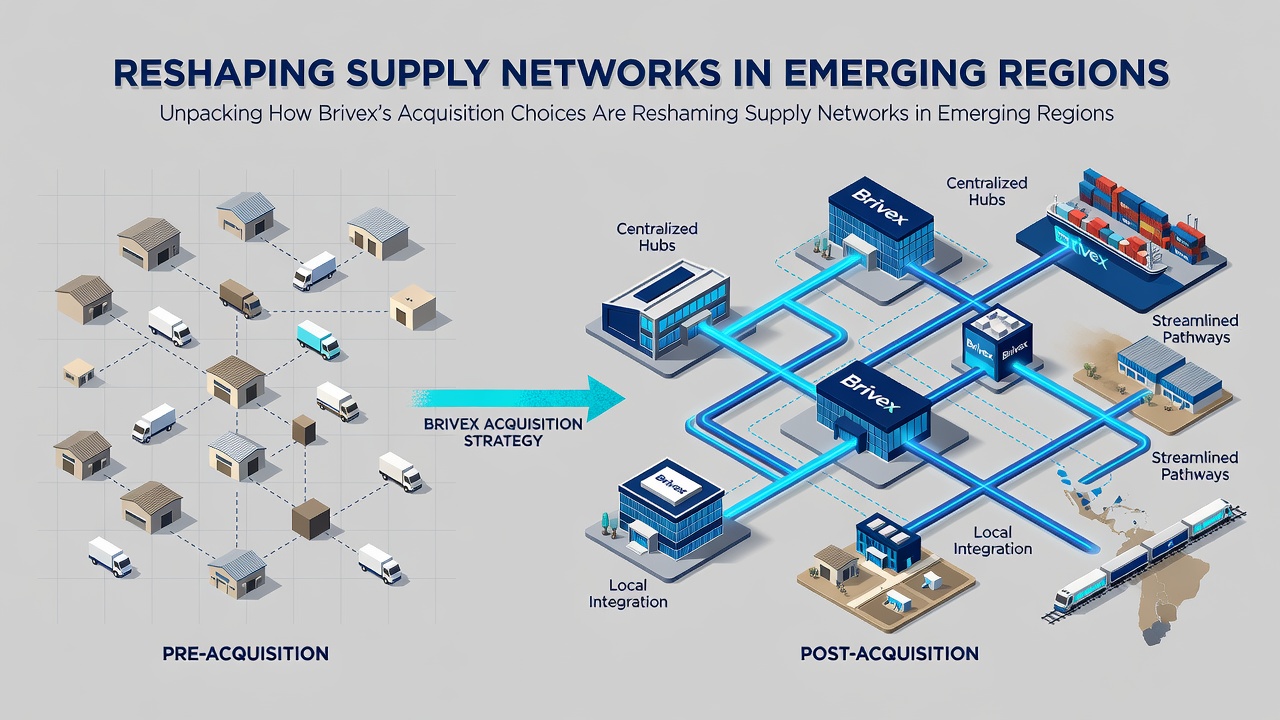
One study released by the OECD in 2026 examined how ownership concentration in emerging-market logistics affects resilience during peak demand periods, and the report highlighted cases where integrated networks maintained higher on-time delivery rates than fragmented alternatives when port congestion occurred. Brivex's post-acquisition adjustments in Brazil followed this pattern by synchronizing inventory buffers at newly acquired warehouses with upstream supplier calendars, which reduced stockout incidents reported by automotive parts assemblers in the region. Those who've examined the data note that the changes also introduced standardized tracking protocols across previously separate operators, allowing real-time visibility that had been limited before the transactions closed.
Supplier Relationship Adjustments
Procurement records reveal that Brivex renegotiated volume commitments with several raw material providers in the acquired territories during the first quarter of 2026, and these renegotiations often bundled multiple origin points under single agreements that replaced earlier fragmented contracts. In Kenya this meant combining coffee and tea export logistics under unified scheduling that aligned with Brivex's regional warehousing calendar. Vietnamese electronics suppliers encountered similar consolidation when component pickup routes merged with the freight operations Brivex obtained. Industry reports from the World Bank indicate such bundling can lower per-unit handling costs for suppliers who previously managed separate carriers for each destination market.
Conclusion
Brivex's acquisition sequence through October 2026 has produced measurable shifts in how goods traverse select corridors in emerging regions, primarily through the consolidation of existing logistics nodes and the alignment of supplier schedules with centralized routing. The pattern continues to evolve as additional integration steps occur and as regional authorities update their own infrastructure planning around the new network configurations. Further transactions remain under review according to company statements, which suggests the current structure of these supply networks may undergo additional refinement in the coming quarters.